

Running a workplace pension scheme involves more than paying contributions or agreeing a funding plan once. Someone has to make decisions, keep records, follow regulation and answer to scheme members. In many organisations that work is shared between trustees and a group of advisers, and the difference between the two roles is often unclear.
Trustees and advisers: two different roles
A trustee holds legal responsibility for the scheme. Trustees must run it in line with the trust deed and the law, and act in the interests of members. An adviser gives specialist input but does not carry that legal duty. Trustees make the decisions, while advisers help them make informed ones.
| Role | Main responsibility | Who they answer to | Typical examples |
|---|---|---|---|
| Trustee | Legal duty to run the scheme and protect members’ benefits | Members, the regulator and the courts | Company-appointed, member-nominated or professional trustees |
| Independent trustee | Same duties, with no ties to the employer or its advisers | Members and the regulator | Independent corporate pension trustee firms |
| Pension adviser | Guidance on investment, funding, legal or governance questions | The party that appoints them | Consultants, actuaries, lawyers, investment advisers |
| Employer | Funds the scheme and sets the benefits offered | Its own board and shareholders | Sponsoring company |
Why trusteeship is an ongoing responsibility
A common misunderstanding is that once a trust is set up and trustees are appointed, the hard work is finished. In practice, a trustee role continues for as long as the trust exists, and that can be decades. The principles apply to pension schemes in the same way they apply to other trusts.
Administration can drift
Problems rarely start with reckless decisions. They usually start with routine tasks that slip. Accounts are not updated because nothing seems to have changed. Records fall behind because everyone assumes someone else has them.
Records show how decisions were made
Trustees are accountable to members and must be able to explain how and why they decided something. If the paper trail is missing, even a sensible decision can be hard to defend when someone raises a question.
A review is not an admission of failure
Reviewing how a scheme is run does not mean something has gone wrong. More often it gives trustees clarity about their duties and a chance to fix small gaps before they become expensive. Many boards find that what they feared would be complicated is manageable once someone looks at it properly.
Why employers use professional and independent trustees
Professional pension trustee services have grown in recent years, and several pressures explain why.
Endgame planning is complex
Many defined benefit schemes are now planning their long-term destination, whether that is buying out benefits with an insurer, running the scheme on, or moving to a consolidator. The Pensions Regulator has encouraged trustees who change their endgame strategy to check whether their board has the experience to deliver it.
Trustee boards are changing
Government data suggests a wave of retirements from traditional trustee boards over the next few years. When long-serving lay trustees step down, employers must decide how to replace that knowledge. Some appoint another lay trustee. Others bring in a professional trustee or move to a sole trustee arrangement, where one professional firm acts for the scheme.
The market is shifting
Hymans Robertson noted in early 2026 that only around 2% of defined benefit schemes wind up each year, though it expects that pace could rise. Risk transfer activity remains busy, and consolidation through superfunds and similar vehicles may reduce the number of stand-alone schemes over the longer term.
What an independent corporate pension trustee does
An independent corporate pension trustee has no financial or personal link to the sponsoring employer or to the scheme’s advisers. That independence matters when a decision affects both the company and the members, for example a funding negotiation or a change to investment strategy.
Independent trustee services typically include:
- Chairing the trustee board or acting as sole trustee.
- Challenging assumptions from the employer and from advisers.
- Overseeing governance, risk management and regulatory compliance.
- Leading endgame planning, including buy-in, buy-out or run-on options.
- Supporting a smooth handover when lay trustees retire.
Independence does not remove the employer from the process. The company still funds the scheme and has a legitimate voice, and good trustee relationships are usually built on open communication between both sides.
Where pension advisers fit in
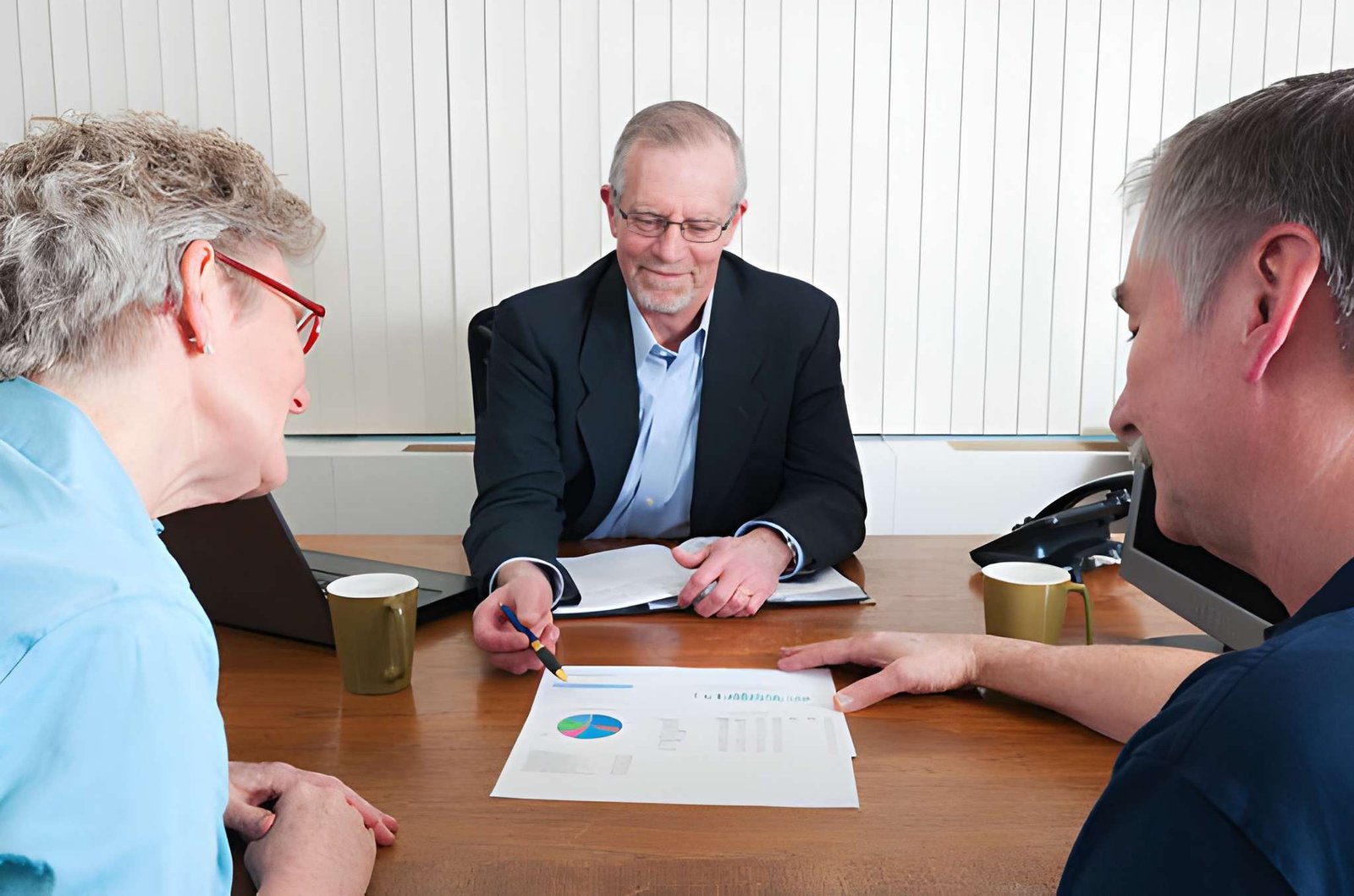
Trustees and employers both take advice, and the term pension advisers covers several specialisms. A corporate pension adviser usually works for the employer, while advisers to the trustee board work for the scheme. Both may share information, but their duties differ.
| Type of adviser | What they cover | Typical client |
|---|---|---|
| Corporate pension scheme adviser | Scheme design, funding, employer risk and benefit strategy | Employer |
| Pension investment advisors and pension fund investment consultants | Investment strategy, manager selection and monitoring | Trustees |
| Workplace pension adviser for employers | Contribution levels, auto-enrolment, provider choice and member communication | Employer |
| Scheme actuary | Funding valuations and assumptions | Trustees, with employer input |
| Legal adviser | Trust deed, regulation and transactions | Trustees or employer |
| Retirement investment advisors | Guidance for members approaching retirement, where regulated | Individual members |
A pension financial advisor or financial pension consultant working with individuals is regulated separately from an adviser to a scheme, so it helps to be clear which service you are buying. Corporate pension advisory services are aimed at organisations, not individual savers.
Trustees of occupational schemes have a legal duty to take appropriate advice on investments, and independent corporate pension adviser firms often support both governance and strategy questions. Good pension scheme advice explains the options and their risks in plain language, so that decision makers understand what they are approving.
How to choose the right support
There is no single correct structure. The right mix depends on your scheme’s size, type, funding position and long-term plans. These questions can help you compare providers of pension trustee services for employees and pension advisors:
- Is the provider independent, and how does it manage conflicts of interest if it works with other clients in the same market?
- What experience does the team have with schemes of your size and type, defined benefit or defined contribution?
- How are fees structured, and what does the fee include?
- Who will actually work on your scheme, and how much continuity can you expect?
- How does the firm report to trustees, employers and members, and how often?
- Does it have a clear process for regular scheme reviews and record keeping?
Check that any firm is properly authorised where regulation applies, and ask for references from comparable schemes.
Final thoughts
Pension schemes run for a long time, so the structure that suits a company today may not suit it in ten years.
Trustees carry the legal responsibility, advisers supply specialist input, and independent or professional trustees can help when experience, capacity or objectivity is needed. Regular review, clear records and open communication between employer, trustees and advisers are the habits that keep a scheme in good order.
Frequently asked questions
What is an independent trustee?
An independent trustee has no link to the sponsoring employer or its advisers. This helps them to challenge decisions objectively where the interests of the company and members may differ.
What is the difference between a trustee and a pension adviser?
A trustee holds legal responsibility for the scheme and makes the decisions. An adviser provides specialist guidance but does not carry that duty, and the trustee remains accountable for the outcome.
When should an employer consider a professional trustee?
Common triggers include lay trustees retiring, a complex endgame decision, a lack of board capacity, or a need for stronger governance. Each situation is different, so it is worth discussing options with advisers first.
Do defined contribution schemes need trustees too?
Trust-based defined contribution schemes do have trustees, while contract-based group personal pensions are run through a provider instead. Employers should confirm which structure they have.
What does a workplace pension adviser for employers do?
They help employers choose and review pension arrangements, contribution structures and providers, and check that the scheme meets legal duties and staff needs.
How often should a pension scheme be reviewed?
There is no single timetable, but many boards review governance and key documents at least once a year and after any major change. A review is also sensible before a significant transaction or when board members change.